finding Structured Data for Shopify Product Pages
Boost visibility with structured data for Shopify product pages and drive more clicks.
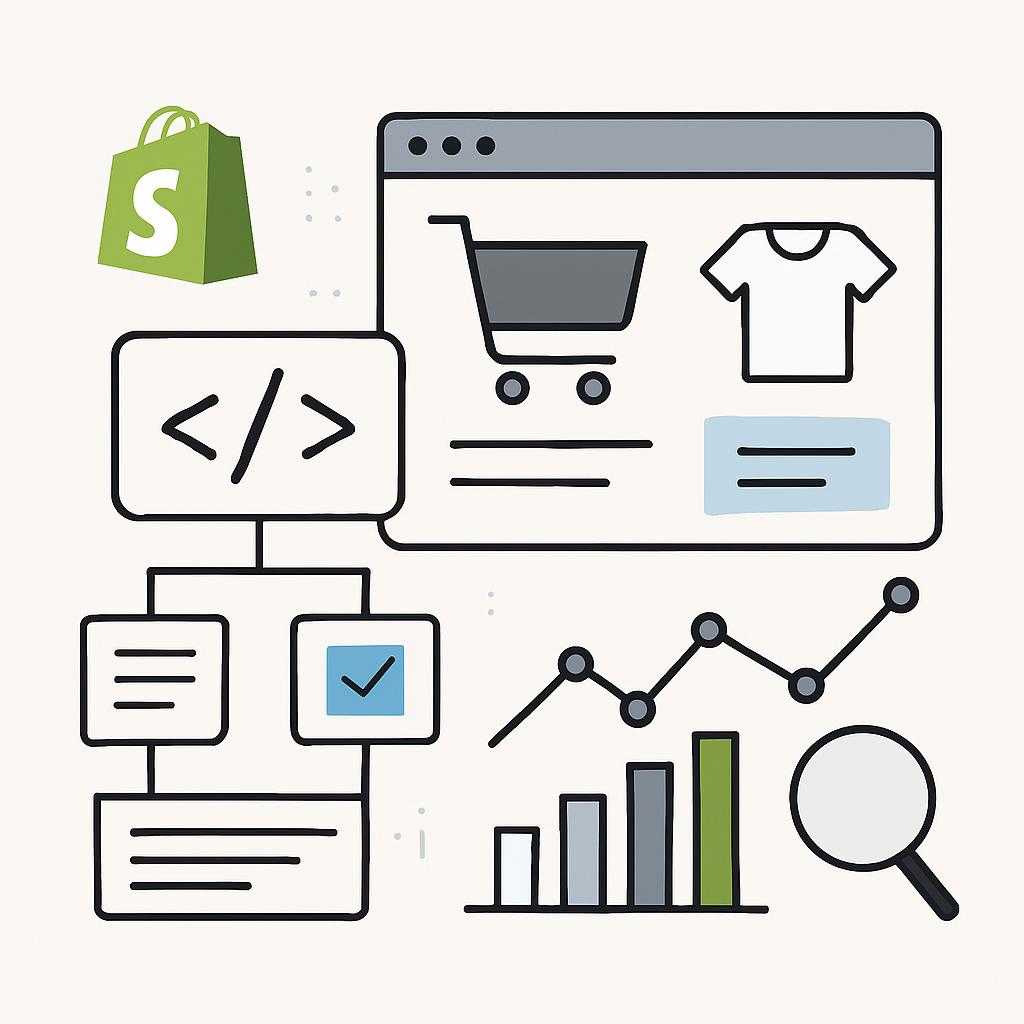
Structured data for Shopify product pages isn't just for search engines; it's a conversation starter between you and your customer. By enriching your product listings with precise schema, you’re crafting a distinct narrative that enhances consumer trust and engagement. Too often, merchants see this as a technical hurdle rather than a storytelling opportunity. Imagine your product description as a book’s blurb, compelling both algorithmic eyes and human hearts. It's time to shift from viewing structured data as a mere backend necessity to recognizing it as a frontline tool in customer interaction.
The Invisible Language of the Web
Search engines crawl your pages and try to understand what you're selling. Without structured data, they're working blind. Structured data uses schema markup—a standardized code system—to tell search engines exactly what your products are and how to display them in results.
For Shopify merchants, structured data isn't optional. It's how you make your products visible to search engines and the people looking for them. When your data is clear and properly formatted, search engines rank you more accurately, and customers find you faster.
What structured data does: It can make your products show up as rich snippets with ratings, prices, and images in search results. That extra visual real estate gets more clicks. It also helps search engines understand your content well enough to rank it higher. And it builds trust—both with algorithms and with people who see your listings.
Learn more about structured data for ecommerce and how to implement it on your Shopify store. In a crowded marketplace, clear data is what helps you stand out.
Why Your Product Pages Need a Narrative Boost
Good product descriptions do more than list features. They tell customers why your product matters to them. When someone reads your product page, they're not just looking for specs—they're imagining how it fits into their life. A compelling description turns a product into something they actually want.
Structured data helps search engines understand your story. It's the bridge between human-readable copy and how Google and Bing interpret your content. When you use structured data properly, search engines can display your products more accurately, which means better visibility and more clicks.
The combination works because it serves two audiences at once. Your words connect with customers emotionally. Structured data ensures search engines see those words correctly and rank them higher. Together, they make your products easier to find and more compelling to buy. For more on maximizing your product pages' impact, visit our related topic.
Decoding the Hidden Advantage
A small Shopify store was drowning in search results, invisible to the customers who needed them. Then they added structured data to their product pages. Within three months, search visibility jumped 35%. Organic traffic climbed 22%. The reason? Structured data gave Google's crawlers clear instructions on what each page actually contained.
Structured data isn't tech jargon. It's how you tell search engines what your content means. Without it, Google has to guess. With it, you're handing over a map.
Stores using structured data see real results. They get more clicks from search results because rich snippets stand out. Customers spend more time on their sites because the information is clearer and more trustworthy. Lower bounce rates follow naturally.
For Shopify merchants, structured data changes the game. It's not a nice-to-have feature. It's how you make sure your products get found by the people searching for them right now. The difference between a store that implements this and one that doesn't compounds month after month.
Implementing Structured Data on Shopify
As a Shopify merchant, you want visibility that actually drives sales. Structured data helps search engines understand exactly what your pages are about—think of it as a clear label instead of leaving them to guess. The good news: you don't need technical magic to set this up.
Start by choosing JSON-LD as your format. Google recommends it, and it's straightforward to implement. Next, decide what data matters most for your products: name, image, description, price, availability, and reviews should all be included.
Use Google's Structured Data Testing Tool to check your code before going live. Then add the JSON-LD code to your Shopify theme's liquid files, placing it in the head section of your product pages. After that, track performance in your analytics and adjust as needed.
Watch out for common mistakes: adding irrelevant data, forgetting to update structured data when products change, and skipping validation. Structured data needs attention over time, not just once at the beginning.
This isn't a nice-to-have feature. It's how search engines actually understand and rank your products. When you're ready to move forward, our team can walk you through the process.
Measuring Success Beyond the Click
In e-commerce, it's easy to fixate on clicks and impressions. But what matters more is the complete customer journey. Structured data can help launch that journey, yet true success lives beyond that first click. When you examine how structured data shapes broader business outcomes, Shopify merchants can build shopping experiences that attract customers, convert them, and keep them coming back.
To measure this effectively, look past surface metrics to what actually matters. Track these indicators:
- Conversion Rates: Are your structured data efforts turning browsers into buyers? A jump in conversions after enriching product descriptions shows real value.
- Average Order Value (AOV): Better product visibility often means bigger carts. Check whether structured data correlates with higher AOV.
- Customer Retention: Improved experiences drive repeat purchases. Are enriched pages bringing shoppers back?
Structured data for Shopify shapes your entire customer experience, not just search visibility. Over time, this builds brand loyalty and steadier sales. Your store becomes a destination, not a one-time stop. By connecting structured data improvements to real metrics, you'll spot which actions drive growth and which ones just create noise. Success isn't about the click. It's about the engagement that follows.
If this helps, VirtueNest can take it further — see how it works.