how AI shopping assistants choose which products to
how AI shopping assistants choose which products to recommend — Explore how AI shopping assistants choose products to recommend, enhancing personalized exp
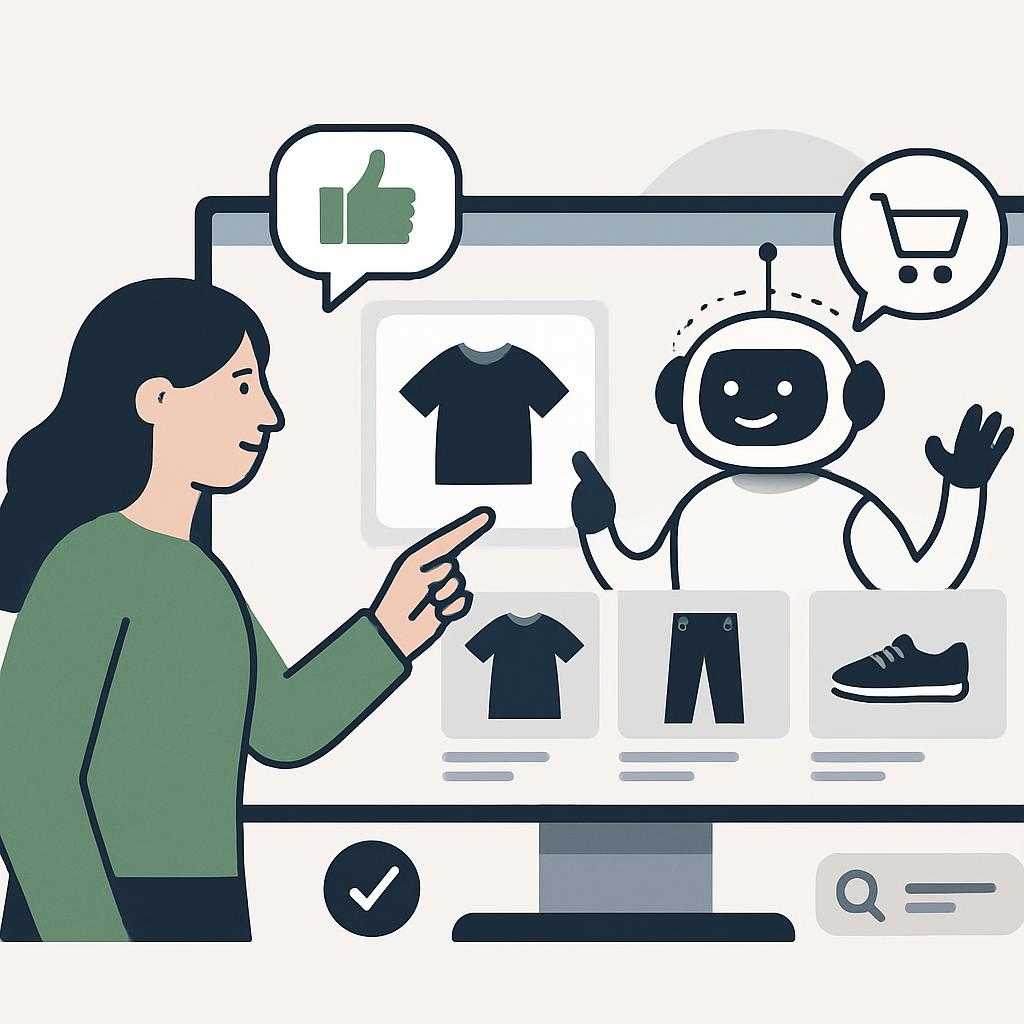
In the nuanced dance of e-commerce, "how AI shopping assistants choose which products to recommend" has become the linchpin of discovery, radically reshaping choices not with brute force, but with precision. Think of it not as mere selection, but as orchestration—a tailored symphony where each note enhances the customer's journey. This isn’t about adding more options; it’s about adding the right ones. By peering into the collective wisdom of data and behavior, AI crafts a narrative that speaks directly to your audience, inviting them to engage rather than urging them to buy.
The New Frontier of E-commerce: AI Shopping Assistants
Picture this: digital shelves stocked with endless choices, yet shopping feels simpler. AI shopping assistants are reshaping e-commerce by learning from how people actually shop. They're here now, transforming the online experience through recommendations that feel handpicked by someone who knows you.
Many Shopify merchants still rely on older recommendation engines that sort customers into broad groups instead of treating them as individuals. The real shift isn't just about adopting new technology—it's about listening to each customer and responding to what matters to them. This is happening right now. According to Gartner, nearly half of all businesses will use AI shopping tools by 2025.
AI shopping assistants work through continuous learning. Each interaction teaches the system more about what a customer wants. The technology adjusts to trends and seasons in real time. Recommendations stay consistent whether someone shops on their phone, desktop, or tablet.
For e-commerce businesses, the question isn't whether to adopt AI shopping assistants—it's how to use them well. The merchants who tell the most compelling stories through personalized experiences will do more than process transactions. They'll build lasting loyalty and trust.
Understanding How AI Analyzes Consumer Behavior
A good shopping assistant doesn't bury you in endless options. Instead, it learns what you actually want and suggests things that fit. AI shopping assistants do this by understanding how people shop. They start by collecting data in real-time—your browsing habits, purchase history, the way you click through products. This information builds a profile of who you are as a shopper.
Then AI looks for patterns. Machine learning algorithms scan through your data to spot trends that matter. They notice what you've bought before, what you looked at but didn't purchase, and use that to predict what you'll want next. It's like having a personal shopper who already knows your style before you ask for help. These predictions get sharper over time as the AI learns more about you.
The AI pulls together online activity, reviews you've left, and basic information like where you live. It uses patterns in how people shop to personalize what it recommends. When it spots a trend—say, rising interest in sustainable products—it can surface those items for shoppers likely to care about them.
This framing helps us see AI not as a cold calculator, but as something that learns your preferences and guides you toward what you're actually looking for. For a deeper get startedto how AI is reshaping consumer experiences, explore this related topic.
The Algorithms Behind Product Recommendations
AI shopping assistants pick products by learning from customer behavior. These algorithms aren't rigid rule-followers—they're constantly refining their understanding of what people buy. By processing large amounts of data, they can predict what a customer is likely to purchase next. It's more than matching items in a cart. It's about finding genuine connections between what customers want and what you're offering.
The main types of recommendation algorithms are collaborative filtering, content-based filtering, and hybrid models. Collaborative filtering predicts what you'll like based on what similar customers have purchased. Content-based filtering suggests items similar to ones you've already shown interest in. Hybrid models combine both approaches for better results.
These engines learn from historical data—clicks, searches, purchases. They analyze past behavior to forecast what customers will want next. The key difference: they're not just showing what's trending now, they're anticipating what will trend for each individual shopper. For Shopify merchants, this personalization can drive real results. If you're ready to explore how this works for your store, AI Shopping Assistants might be worth testing.
The Ethics and Accuracy of AI Recommendations
When was the last time you thought about trust in connection with your AI shopping assistant? It's tempting to let algorithms handle recommendations, yet how often do we question whether they're fair or accurate? Personalization and privacy are in tension here. Consumers want tailored experiences, but they're also wary of becoming data points. Your AI needs to treat consumer data as something worthy of trust, not just a resource to extract value from, while still delivering a personalized shopping experience.
There's another problem too. Bias in AI recommendations can slip through undetected. Faulty data can perpetuate stereotypes or treat different shoppers unfairly without anyone noticing. Training AI systems to spot and correct these biases is essential. Transparency matters most here. When consumers understand how and why they're getting a recommendation, trust grows. Accuracy becomes something you commit to continuously, not just a goal you hit once.
The real question is not just what your AI can do, but how it does it. How it respects people, informs them, and interacts with them. A transparent algorithm doesn't hide its workings. To maintain consumer trust, you need clear explanations of how data is used, regular audits to catch bias, and open reporting on accuracy rates and ethical standards.
By focusing on these ethical considerations, merchants and agencies can build a shopping environment where consumers feel seen and respected. That benefits everyone involved.
To learn more about how Shopify facilitates this ethical balance, consider exploring our platform's robust AI capabilities.
Leveraging AI Recommendations to Build Customer Loyalty
AI shopping assistants work like a barista who remembers your order—they anticipate what customers want. As a merchant, the real challenge is creating an experience that makes hard selling unnecessary. When you integrate AI into the customer journey thoughtfully, you move past transactions and build loyalty instead. This means showing the right products at the right time, tailored to each person.
AI can analyze browsing and purchase behavior to make recommendations that feel almost natural. Here's how to put this to work in your store:
- Use smart algorithms to recommend products based on what customers have browsed and bought.
- Adjust recommendations in real time as trends shift and new information comes in.
- Follow up after purchases by suggesting items that complement what they just bought or introducing new products they might like.
The real value isn't pushing more items into carts. It's understanding your audience well enough that relevance builds trust. When customers feel known, they don't just come back—they recommend you to others. AI gives you the tools to learn what people want. Your job is using that knowledge to deliver genuine value, not just more sales.
Embracing Innovation: The Future Role of AI in E-commerce
AI in e-commerce is moving beyond product suggestions. Think of it as a partner that reshapes how people shop. The real shift is predicting what customers want before they know it themselves, rather than just reacting to their clicks. Merchants who lean into this capability gain a meaningful edge.
AI learns constantly, which means e-commerce businesses can tailor each interaction in ways that weren't possible before. But this requires strategy. Instead of letting AI run the show, smart leaders decide how it fits their brand. That means paying attention to data privacy, training your team to work with AI effectively, and using what AI learns to stay ahead of customer needs.
The real opportunity is straightforward: companies that actively shape their AI strategy will outpace those that don't. For Shopify merchants and e-commerce leaders, that means treating AI as a core part of how you operate, not an add-on. The focus stays on what matters most—better experiences for customers and loyalty to your brand values.
This shift starts now. AI works best when it's woven into how you think about e-commerce, not bolted on as an afterthought.
If this helps, VirtueNest can take it further — see how it works.